Your Team Wasn’t Hired to Copy Data Between Tabs
ANNOUNCEMENT
•
July 3, 2026


Intro
A surprising amount of business work is not really work at all.
It is copying information from an email into a CRM. Downloading an attachment and uploading it somewhere else. Checking whether a form was completed. Renaming a file. Sending the same follow-up message. Updating a spreadsheet so another person knows what happened.
None of these tasks are individually difficult. Together, they consume hours, create errors, delay customers, and turn skilled employees into very expensive data-transfer systems.
Automation gives that time back
Your team should handle decisions. Software should handle repetition.
The best automation does not replace judgment. It removes the predictable steps surrounding it.
Information is captured, organized, moved, validated, and reported automatically while people stay involved where experience, context, or approval genuinely matters.
1. The Real Problem Lives Between Your Tools
Most companies already have software.
They have email, calendars, spreadsheets, CRMs, cloud storage, accounting platforms, forms, and project-management systems. The problem is that these tools often do not work together.
A lead fills out a form. Someone receives an email. Another person copies the details into the CRM. A third employee schedules a task. Later, somebody prepares a report from three different systems.
The issue is not necessarily that any single platform is bad. The issue is the manual work required between them.
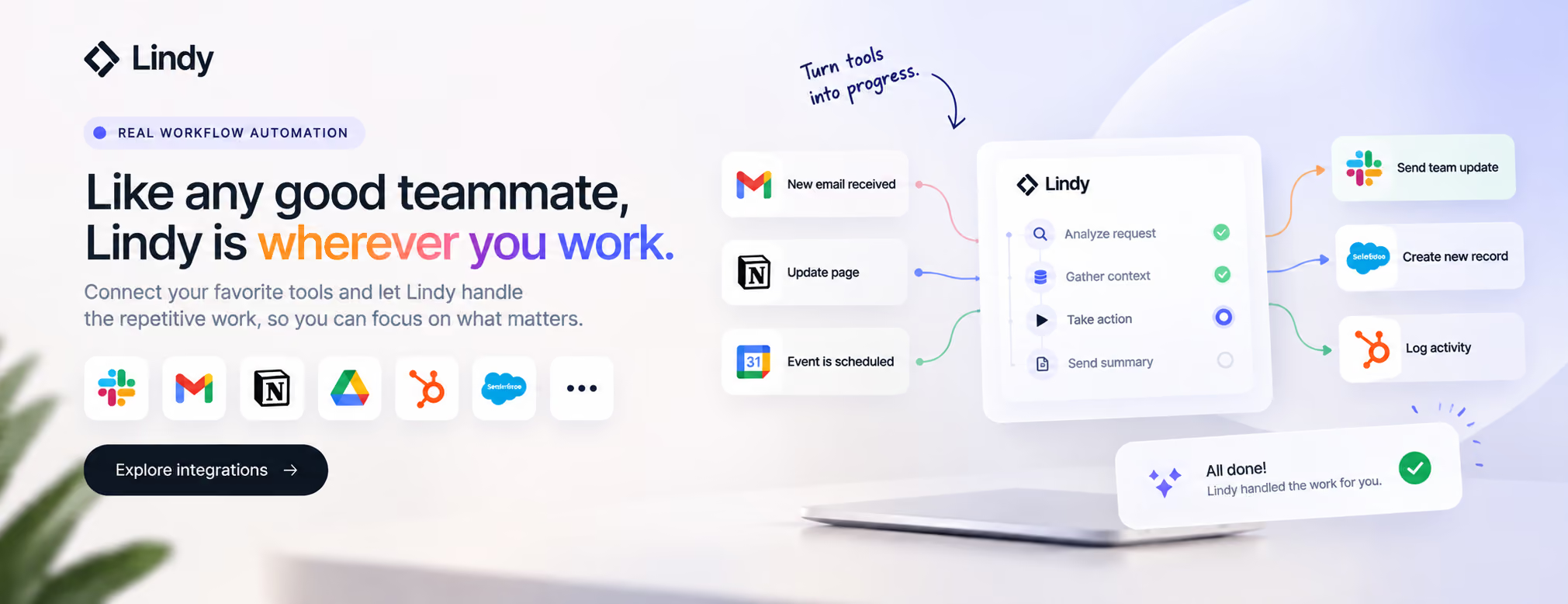
Automation connects those gaps.
A request can be received, classified, assigned, recorded, and followed up without asking an employee to repeat the same sequence every time.
2. AI Helps When the Input Is Messy
Traditional automation works well when everything is structured.
If a form always contains the same fields, software can process it easily. But businesses also receive emails, PDFs, voice transcripts, documents, and messages written in natural language.
This is where AI becomes useful.
It can help determine:
- what a customer is asking;
- what type of document was submitted;
- which department should receive the request;
- what information should be extracted;
- whether a message is urgent;
- and which workflow should run next.
Once the information is understood, traditional software can complete the predictable actions.
AI interprets. Automation executes.
3. Start With the Most Annoying Repetition
Companies often begin automation projects by trying to redesign everything at once.
That usually creates a large, expensive project before anyone has proven the value.
A better starting point is the repetitive process your team complains about most.
Look for work that is:
- performed frequently;
- based on clear rules;
- spread across multiple tools;
- easy to verify;
- and frustrating enough that people already want it gone.
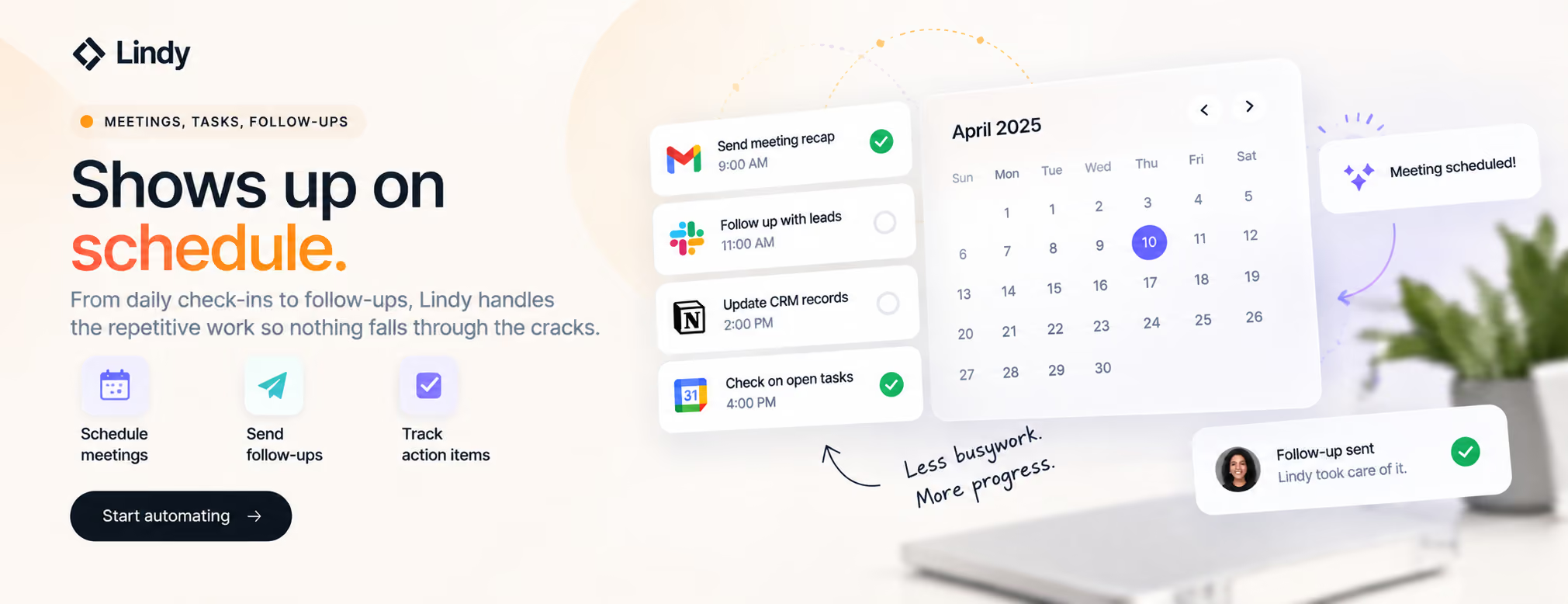
Examples include lead intake, document routing, recurring reports, follow-up messages, customer onboarding, appointment reminders, and internal approvals.
A focused automation can produce value quickly and create the foundation for a broader system later.
4. Good Automation Knows When to Stop
Not every task should run without oversight.
A system may confidently route ordinary requests while sending unusual ones to a person. It may draft an email but wait for approval before sending it. It may extract information from a document but flag low-confidence fields for review.
This does not make the automation incomplete.
It makes it responsible.
Human-in-the-loop design is especially important when a decision affects money, customer relationships, legal documents, private data, or company records.
The goal is not to remove people from every process. It is to stop wasting their time on the parts that do not need them.
Conclusion
Your team was hired to solve problems, serve customers, build products, and make decisions.
They were not hired to move the same information between the same five tabs every day.
The right automation connects the tools you already use, handles predictable work quietly in the background, and brings people in only when their judgment creates value.
The machines can handle the copying.
They do not seem to mind.





Tell us what’s wasting your team’s time.
Missed calls, manual work, disconnected tools, or an AI product still stuck in your head—bring us the problem. We’ll help scope what should be built.